Gear4 min read
Lifting belt, straps or wrist wraps: what each one does, and when to skip it
Each one fixes a single problem, and at light and moderate weights you probably do not have it yet. Here is how to tell when you do.
On this page
Each of these solves one problem, and if you do not have that problem you do not need it. Straps are for when your grip gives out on a heavy pull before your back and legs do. Wrist wraps are for when your wrist bends back under a heavy press. A belt is for bracing on heavy squats and deadlifts, close to the most you can lift. Padded grips are for your palms.
At light and moderate weights you can usually do without a belt, and the other three only start to matter when grip, wrists or palms are what end your set. Here is what each one does, what it does not do, and how to tell when it is time.
| The problem | The tool | Skip it when |
|---|---|---|
| The bar slips out of your hands on deadlifts or rows | Lifting straps | You are training your grip, or the weight is light |
| Your wrist bends back under a press | Wrist wraps | The load is light enough to hold your wrist straight yourself |
| You cannot hold your brace on a near-maximal squat or pull | A lifting belt | Low to moderate weights, as long as you move well through the hips and keep your trunk stable |
| Your palms are sore from bars and handles | Padded grips | Your hands are fine |
Lifting belts
What a belt does
A belt gives your trunk something to push against. You take a breath, brace your stomach out into the belt, and lift. In a small 1989 study, nine people deadlifted 90 percent of their maximum with and without a belt. With the belt on, the pressure inside their abdomen rose earlier and went higher. The authors suggested this may reduce the compressive force on the spine. NIOSH, the federal institute for workplace safety and health, said in the review below that the studies on this were inconclusive, and that how abdominal pressure relates to spinal compression is not well understood.
The American Council on Exercise puts it in practical terms: a belt may be important when you attempt lifts at a maximal load, and it is not necessary at low to moderate weights, as long as you can move well through the hips while keeping your trunk and spine stable.
What a belt does not do
Do not treat a belt as injury protection. In a 1996 pamphlet, NIOSH summarized its review of the research on back belts worn at work and found insufficient evidence that they prevent injury. It did not recommend them to prevent injuries among workers who had never been injured, and it warned that workers who falsely believe they are protected may lift more than they would have without one. That review was about work belts rather than lifting belts, so it does not settle the question for lifting, but it is a reason not to lean on a belt as protection.
A 1996 study of 20 healthy men found that wearing an elastic abdominal belt raised their diastolic blood pressure. That belt had suspenders and Velcro tabs, and it was not a lifting belt, so the study says nothing direct about ours. The authors said anyone considering an abdominal belt should also weigh the risks of the added load on the heart and blood vessels, particularly heart attack and stroke. Our own advice: if you have high blood pressure or a heart condition, ask your doctor before training in any belt.
Our quick-buckle belt
The quick-buckle lifting belt is cloth with a metal quick-release buckle, in sizes M, L and XL, and in black, blue or rose red. The quick buckle makes it easy to open between sets and close again before the next one. The listing gives letter sizes rather than waist measurements.
Lifting straps
Straps wrap around your wrist and then around the bar, so the strap holds some of the load your fingers would otherwise hold. They are for pulling: deadlifts, rows, shrugs, heavy pulldowns. They do nothing for a press.
The cotton lifting straps are 100% cotton webbing, sold as a pair, in black, blue, brown or yellow.
When to use them: on your heaviest pulling sets, when your grip fails before the muscles you are training. When to skip them: warm-up sets, lighter work, and any session where grip is part of what you are training. If you strap every set, your grip gets less practice.
Wrist wraps
Wrist wraps do a different job from straps, and the two names are easy to mix up. A wrap goes around the wrist only, not the bar. People wear it to keep the wrist from bending back when a heavy bar or dumbbell sits in the hand during a press.
When to use them: heavy bench and overhead presses, where the bar sits in your hand and pushes the wrist back. When to skip them: pulling movements, where they do nothing, and lighter pressing, when the load is light enough to hold your wrist straight yourself.
Padded lifting grips
Grips sit between your palm and the bar or handle. They are for palms that get sore or rough from a lot of pulling. The padded lifting grips are silicone, 11 by 7.5 by 4 cm (4.3 by 3 by 1.6 in), sold as a pair in black or gray, and they fit in a gym bag. The listing also calls the silicone non-slip.
A sensible order
- Learn the lifts with none of this. At light and moderate loads you want your own brace and your own grip doing the work.
- Add straps when grip becomes the thing that ends your heaviest pulling sets.
- Add wrist wraps when heavy presses start to bend your wrists back.
- Add a belt when you are working close to your maximum on squats and deadlifts, and you already know how to brace without one.
- Add grips whenever your palms ask for them.
None of these fixes pain. If your back, wrist or elbow hurts in a way that is new or sharp, stop the lift and ask a doctor or physical therapist.
Sources
- Harman et al. (1989), Medicine and Science in Sports and Exercise: Effects of a belt on intra-abdominal pressure during weight lifting
- ACE: The ACE Do It Better series, the deadlift
- NIOSH (1996): Back belts, do they prevent injury? (DHHS/NIOSH publication 94-127)
- Rafacz and McGill (1996), Journal of Occupational and Environmental Medicine: Wearing an abdominal belt increases diastolic blood pressure
About this piece. We sell some of the things mentioned here, and the product facts come from their own pages. Health and safety points follow the sources above. They are general information, not medical advice: if something hurts, ask a doctor or physical therapist.
In this piece
The gear we mention
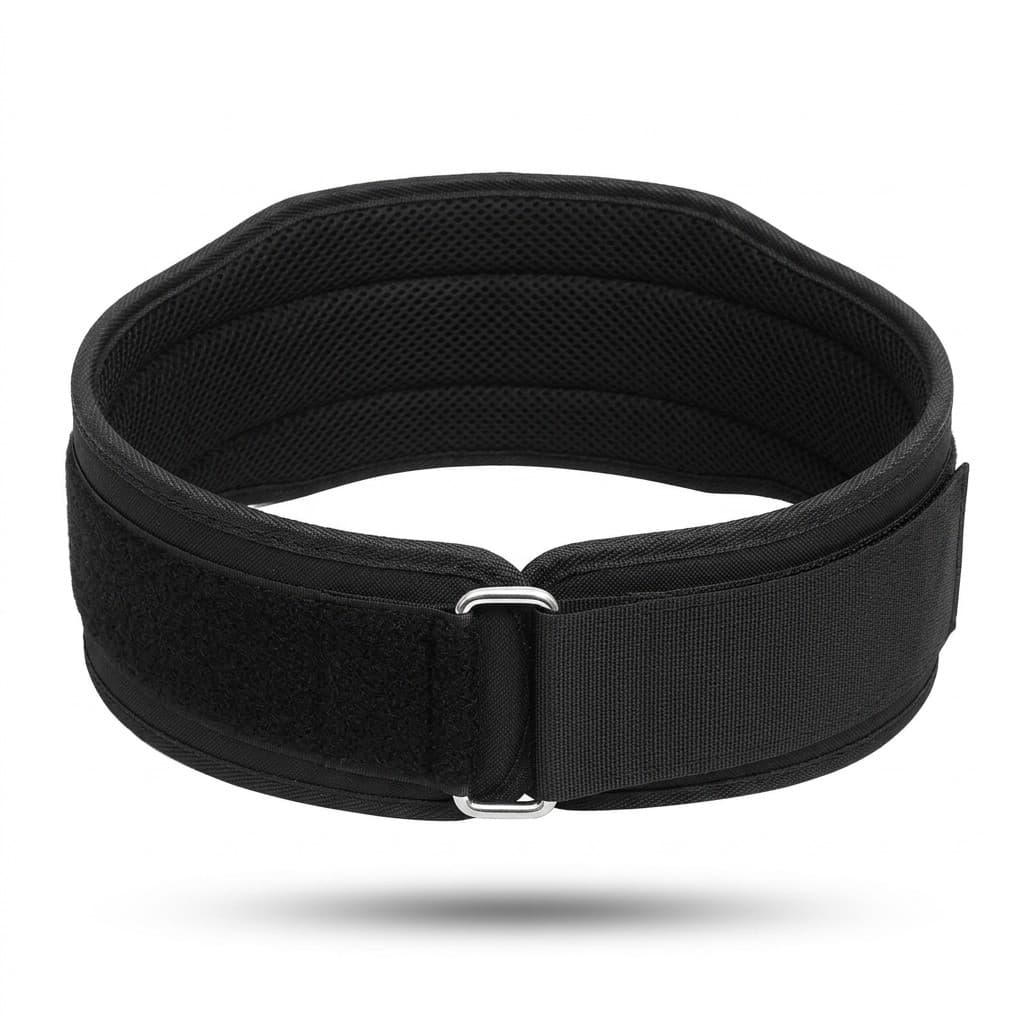
Quick-Buckle Weight Lifting Belt - Squat and Deadlift Support
No reviews yet
$35.99
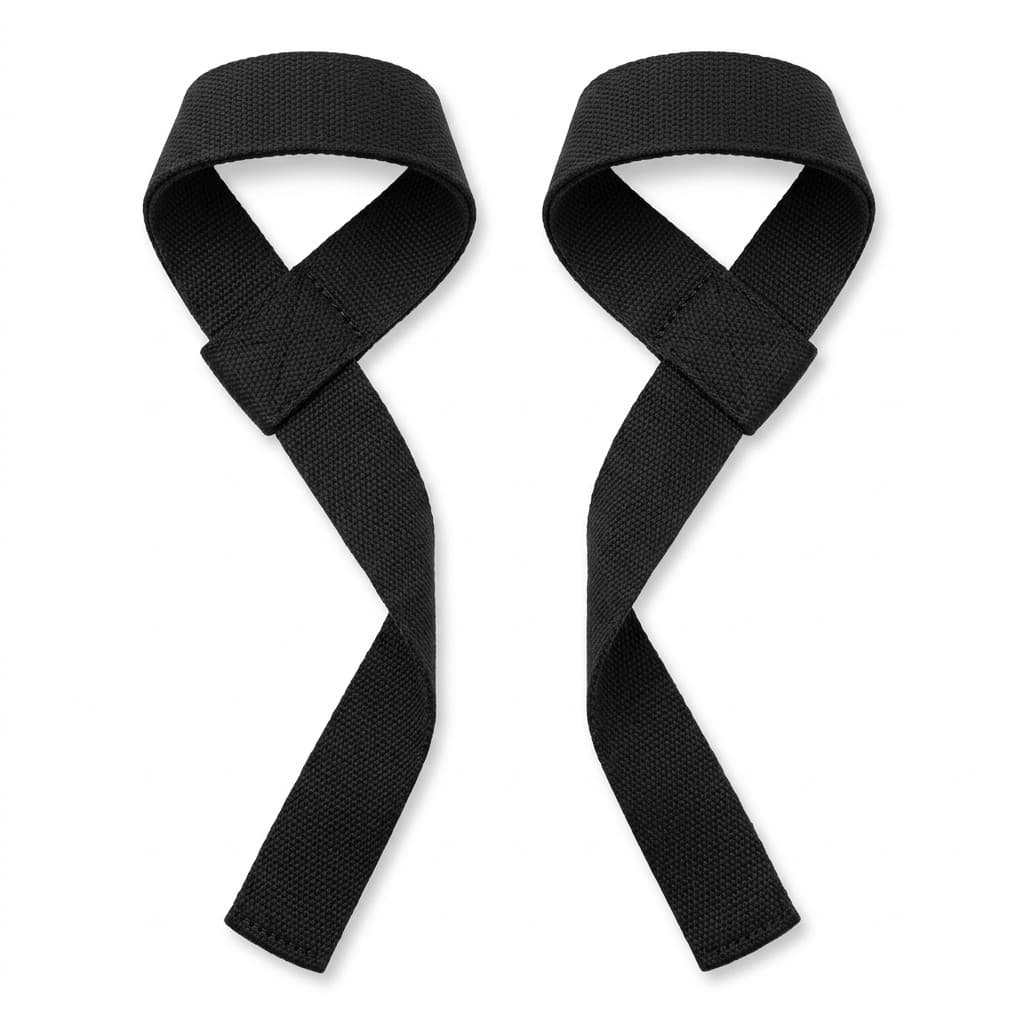
Cotton Gym Lifting Straps, Pair - Deadlift and Row Grip Support
No reviews yet
$20.99
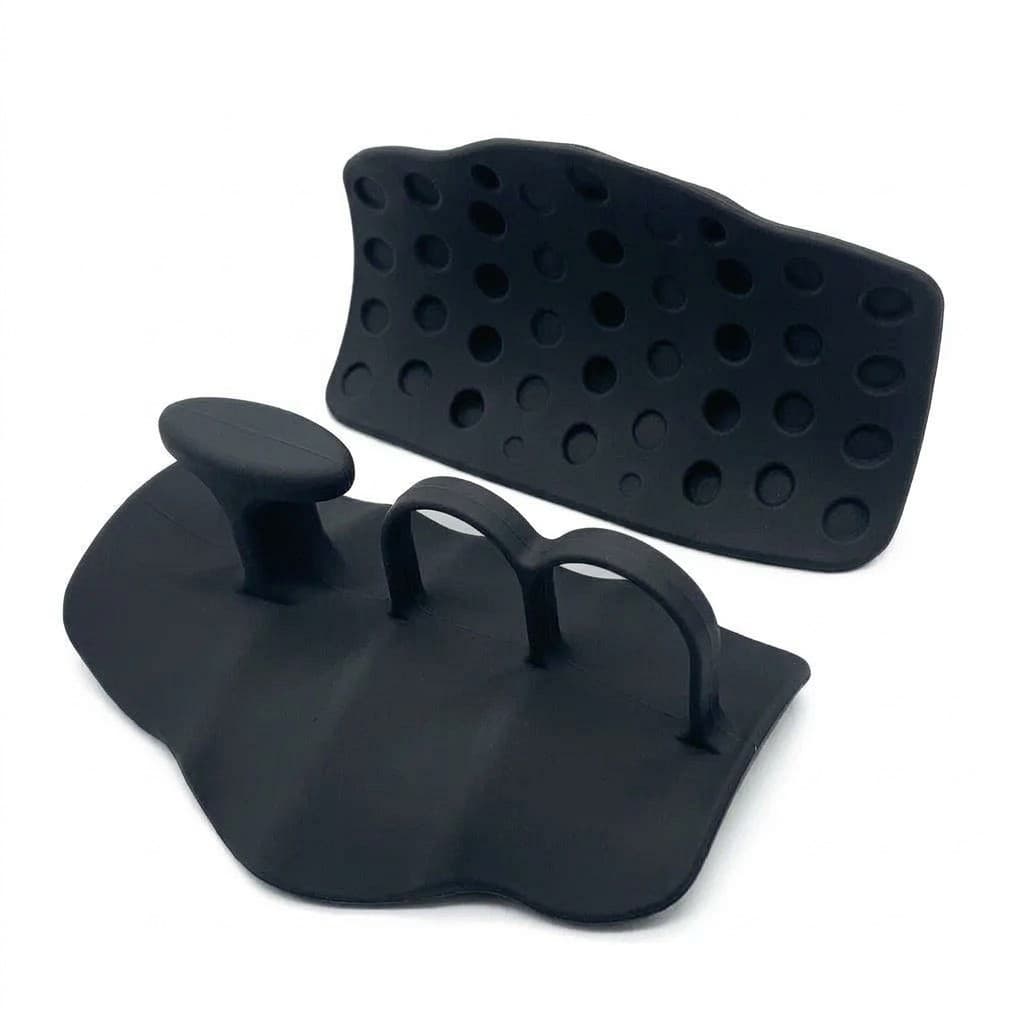
Padded Silicone Lifting Grips - Non-Slip Weightlifting Pair
No reviews yet
$19.99
Keep reading
More from the training log
- Strength6 min read
A home gym for a small space: what to buy first, and what can wait
A home gym in a small room works when it is bought in the order you will use it. Here is that order, what each piece earns, and what can wait.
- Strength5 min read
Loop, tube, pull-up or fabric: which resistance band does which job
Band titles all sound alike. The shapes are not, and each one suits a different job.
- Cardio5 min read
Stepper, bike, rower or treadmill: choosing cardio for a small apartment
Six machines, compared on the numbers that decide whether one fits your apartment, with a plain note wherever a listing does not give them.